Insights < BACK TO ALL INSIGHTS

Judging the Judges
FEATURED
October 2, 2026
Judging the Judges
By: Lauren Scribner
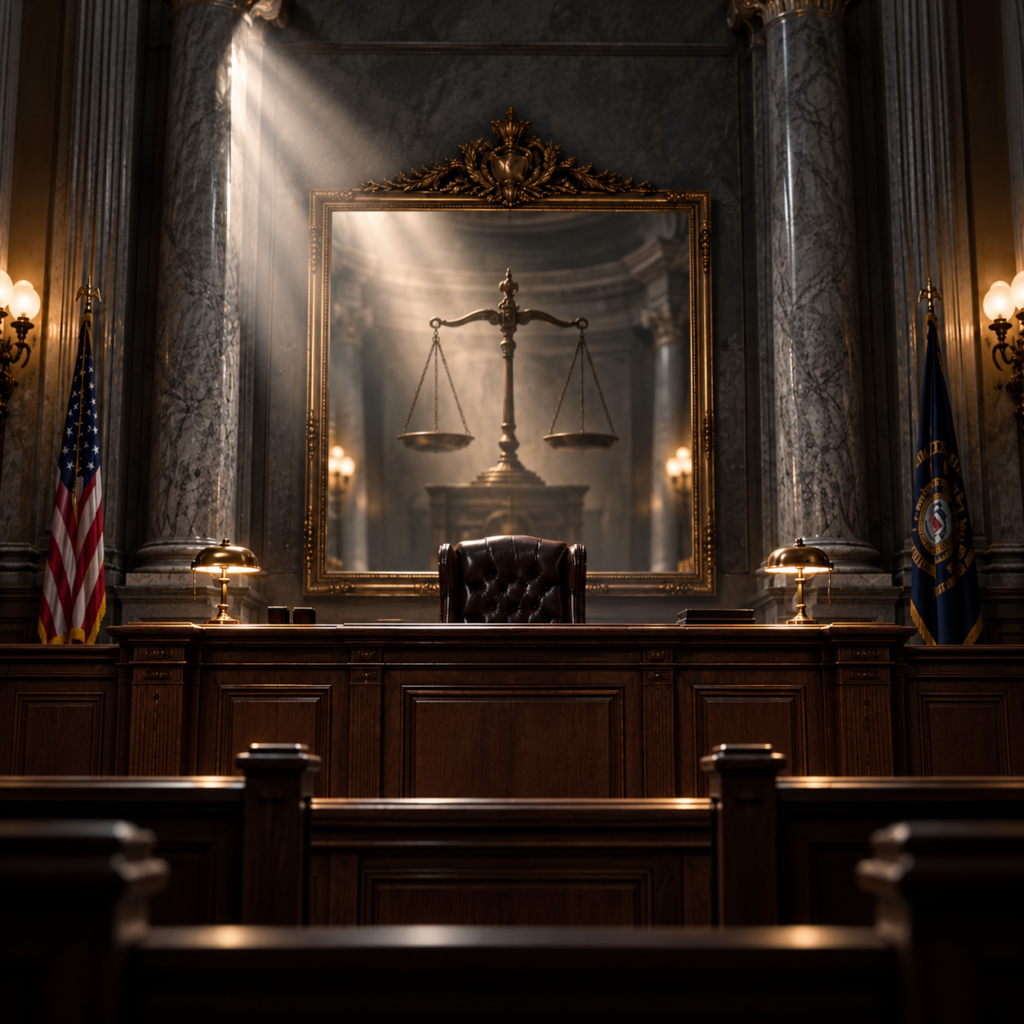
Judges are in the business of holding people accountable for crimes and misconduct—but how do we hold judges accountable for their own ethical lapses? Recently, in a moment of frustration, Florida Second Circuit Judge J. Layne Smith told three attorneys practicing in his courtroom that he “would like to tell the deputy to pull his gun and shoot all three of [them] as far as [his] level of frustration right now.”[1] Yes—you read that correctly. A presiding judge vocalized his thought to have attorneys practicing in his courtroom shot by courtroom security. What should the consequence be for using such threatening language? A mere public reprimand and recusal from that case?[2] Or, should there be some sort of tangible punishment?…
Dismissive of Dismissal
September 25, 2026
Dismissive of Dismissal
By: James Trusty
During the two Trump administrations, a trend has begun to emerge of federal judges challenging the once-unrestricted authority of the Department of Justice (DOJ) to dismiss indictments. The longstanding framework of separation of powers suggests this judicial pushback is unsupported activism, but the judges claim the Federal Rules of Criminal Procedure (“Rules”) do not relegate their role to rubber stamping. Ultimately, this trajectory may lead…
In the age of AI, litigators must read between the lines—literally.
August 18, 2026
In the age of AI, litigators must read between the lines—literally.
By: Robert Ward
In the age of AI, litigators must read between the lines—literally. Any attorney who has litigated a case against a party proceeding pro se is familiar with the common refrain that courts liberally construe pro se filings.[1] This leniency was not enough for one Connecticut litigant. In a scheme that gives new meaning to the phrase “reading between the lines,” pro se plaintiff Matthew Elliot…
Illinois Court Ruling Upholds State’s New Video Gaming Act
August 2, 2011
Illinois Court Ruling Upholds State’s New Video Gaming Act
By: Ifrah Law
In a 7-0 decision, the Illinois Supreme Court recently upheld legislation that will allow video gaming in the state for the first time. Earlier this month, the court ruled in favor of the Illinois legislature’s 2009 omnibus bill for funding capital projects that included the Video Gaming Act. The legislation had been challenged by Chicago Blackhawks owner and liquor distributor Rockwell Wirtz as violating the…
Court: Prosecutors Need to Probe Witness’s Veracity When Challenged
July 25, 2011
Court: Prosecutors Need to Probe Witness’s Veracity When Challenged
By: Ifrah Law
On June 17, 2011, the U.S. Court of Appeals for the 7th Circuit ruled in United States v. Freeman that federal prosecutors in criminal cases have an affirmative duty to investigate the viability of a defense challenge regarding whether a cooperating witness could be lying on the stand. This requirement, as expressed in this new opinion, differs from and goes well beyond the well-known existing…
Journalist Challenges DOJ Subpoena, Claims Reporter’s Privilege
July 20, 2011
Journalist Challenges DOJ Subpoena, Claims Reporter’s Privilege
By: Ifrah Law
James Risen, an investigative journalist for The New York Times, is currently challenging a subpoena issued by the U.S. Department of Justice seeking testimony from him against a CIA agent accused of leaking classified information. The subpoena highlights a trend in which the government attempts to use journalists’ testimony against government employees who reveal information in exchange for anonymity. Risen, citing reporter’s privilege, is seeking…
Massachusetts Cracks Down on Gambling at Internet Cafes
July 15, 2011
Massachusetts Cracks Down on Gambling at Internet Cafes
By: Ifrah Law
Last month, citing evidence that illegal gambling was going on at “Internet cafés” throughout the state, Massachusetts Attorney General Martha Coakley issued a new permanent regulation banning gambling at such places. The regulation bans the operation of establishments “where a gambling purpose predominates over the bona fide sale of bona fide goods or services” – in this case, cyber cafés and phone card video game terminals….
Feds Should Think Twice About Regulating For-Profit Colleges
July 13, 2011
Feds Should Think Twice About Regulating For-Profit Colleges
By: Ifrah Law
Business is booming at America’s for-profit colleges. With steady high unemployment rates, many of the job-hungry have opted to pursue higher or specialized degrees in an effort to make themselves more marketable. Pricy for-profit institutions, like the 400,000 strong University of Phoenix, are flourishing with this increased demand as students flock to their courses to invest in new career prospects. But recent regulatory activity at…